
CNC Turned Parts vs Alternatives: Which Material–Process Pair Wins Your Part?
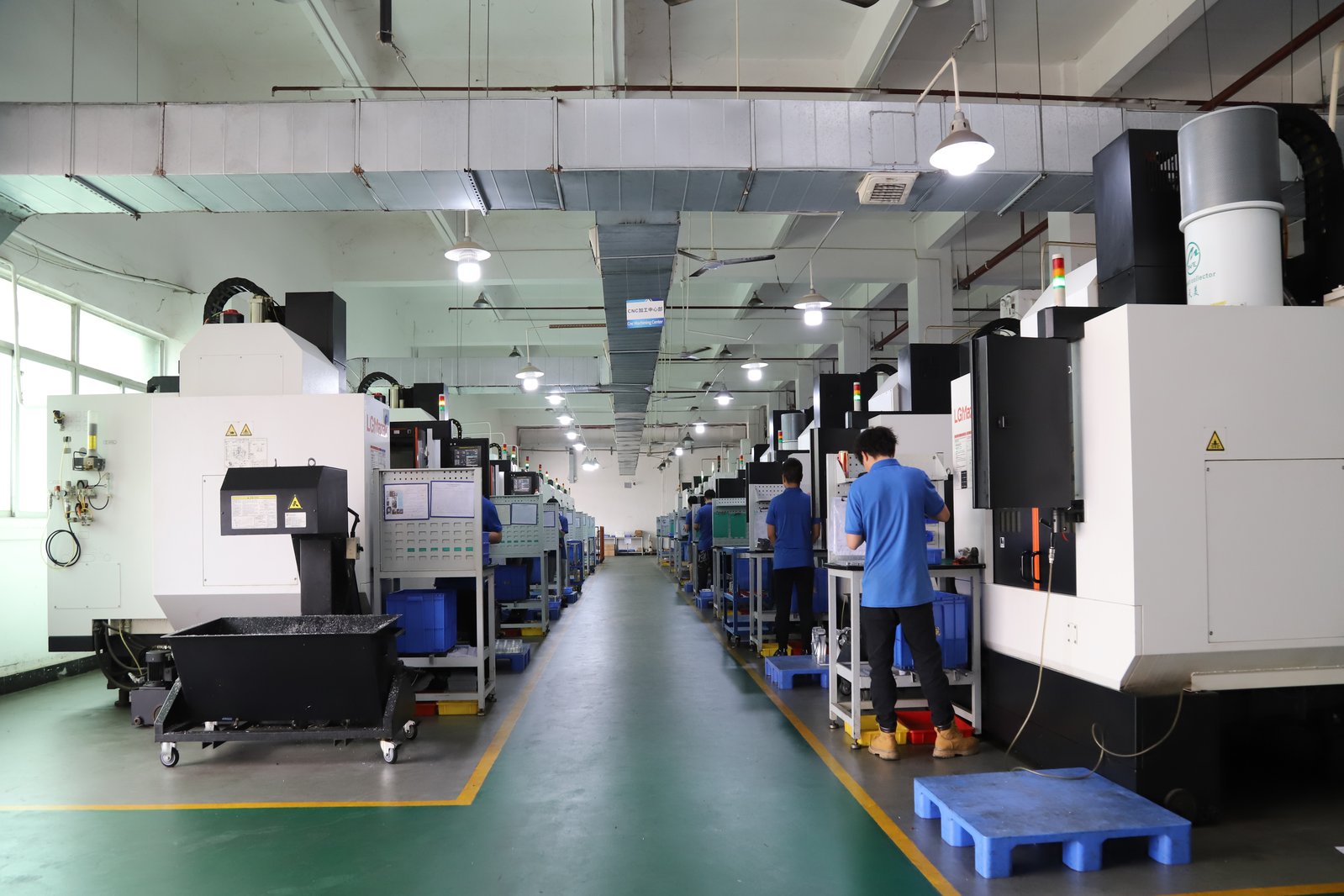
Search for "CNC turned parts vs alternatives" and you are usually weighing two decisions at once: whether a round part should be machined from bar at all, and which material grade the drawing should call out. Those two questions are really one decision. The material and the process have to be chosen as a pair, because the grade changes what the process can deliver and the process changes what the grade has to tolerate. This guide walks a buyer through the routes that compete with bar-fed CNC turning: multi-spindle and Swiss-type machining, metal injection molding, investment casting, cold heading and forging, and metal additive. It then shows how to match each route with the material family it can actually run. You will end with a one-sheet comparison table and a short list of the pairs that win the parts buyers order most.
What is a material–process pair, and why should you choose it as a unit?
A material–process pair is simply the grade of metal and the production route considered together: 316L stainless turned from bar, 17-4PH molded and sintered by metal injection molding, aluminum 6061 machined on a lathe, low-alloy steel forged and then finish-turned. The halves interact in every direction, so choosing them separately is what produces the expensive surprises.
The process sets the tolerance ceiling, the per-part cost shape, and the tooling hurdle. The material sets the strength, corrosion behavior, weight, and — crucially for this decision — the machinability. A grade that cuts cleanly on a lathe can behave differently in a mold or a die, and a geometry that suits a lathe can be impossible for a process that needs draft and parting lines. Change either half and the verdict can flip.
That interaction is why material data sheets never settle the question alone. A free-machining grade such as 303 stainless or C36000 brass exists precisely to make one process cheaper; a corrosion-driven choice such as 316L or a high-strength choice such as 17-4PH exists for the part's duty, and the process has to absorb the consequences. A part is not "made by turning." It is made by a specific grade through a specific route, and that pair is what gets quoted, machined, inspected, and audited.
When is bar-fed CNC turning the right pair, and when does it stop being right?
Bar-fed CNC turning is the right starting point for any part that is essentially a body of revolution: shafts, pins, bushings, sleeves, fittings, housings with concentric bores, and every component whose critical features are diameters, faces, bores, grooves, and threads on a common axis. A turning center holds those features in one chucking, so the concentricity between an outside diameter and an internal bore is set by the machine rather than by a second setup. With live tooling and a C axis, flats and cross-holes join the same program, which is the mill-turn territory described on the services page of this facility. Material arrives as certified bar, every piece comes from that same lot, and the lot is what the mill certificate describes — a traceability chain that matters to buyers who audit their suppliers.
The pair stops being right at predictable boundaries. When the geometry goes beyond what a lathe can reach — deep re-entrant undercuts, internal passages that curve, shapes with no rotational axis — turning alone cannot make the part, and the question becomes which near-net process gets closest. When the material is only available as a forging, a casting, or a powder, bar stock is not an option at all. When the volume is high enough that a mold or die amortizes, the per-part cost of cutting from solid stops competing. And when a design needs fine as-machined detail on a shape that otherwise wastes most of its bar, the waste itself is a cost signal. Each of those signals points at one of the alternatives below, but the useful question is not "turning or not." It is "which route makes the near-net shape, and which route makes the precision."
When does the alternative stay inside machining — multi-spindle or Swiss-type?
The first alternative to bar-fed turning is not a different process at all; it is a different machine class doing the same chip-removal work. A buyer comparing suppliers will hear about multi-spindle automatics and Swiss-type lathes, and the distinction changes who should quote the part.
Multi-spindle automatics run several bars at once, moving each workpiece through sequential stations, so a part that takes a minute on one spindle may take far less of an operator's attention per piece. The economics show up at sustained volume, and the setup and tooling engineering per job is heavier — a job that belongs on a multi-spindle usually earns its keep only in long, repeatable runs. Swiss-type (sliding-headstock) machines guide the bar close to the cutting tool, which removes deflection; they are the natural home for slender, long, small-diameter parts with tight concentricity along their length.
None of this changes the drawing. The material can stay the same, the tolerances can stay the same, and the documentation can stay the same, because the route is still machining from certified bar. What changes is the supplier list: not every shop that quotes "CNC turned parts" runs these machine families, and quoting a Swiss part at a chucking shop or a high-volume part at a job-shop lathe produces a number that has no basis. The 30-minute supplier screen on this site makes the machine list one of its explicit checks — ask which machine family would run your part before you compare the quotes, not after.
When should a turned-looking part leave the lathe for metal injection molding?
Metal injection molding (MIM) starts with fine metal powder mixed into a binder, injects the blend into a cavity like a plastic mold, then removes the binder and sinters the part. What MIM gives a designer is shape freedom that a lathe cannot reach: internal undercuts, re-entrant pockets, thin walls, and complex three-dimensional detail in one molded piece, at volumes where a mold earns its cost. The materials that travel well through the process are mostly the stainless and alloy-steel families — 316L, 17-4PH, low-alloy steels — which happen to be the same families buyers already specify on turned prints.
The honest part of this comparison is where the precision comes from. A sintered part comes out of the furnace a step looser than machined bar, with a surface that is not a turned surface. The shrinkage during sintering is compensated in the tool, but no molding route holds the kind of sizes and geometry that a turned print puts on an outside diameter, a bore, or a thread. So a part drawn as a turned part does not usually become "MIM instead of turned."
It becomes MIM to near-net, then a finish-turning or finish-grinding pass on the surfaces that carry the tolerance — the same argument that governs realistic tolerances on turned parts. The win is not eliminating machining; it is eliminating bar waste and adding geometry that bar can never produce.
When should you bring MIM into the conversation? When the shape is too complex for a lathe, the annual volume is high enough to spread a mold over many pieces, and the grade is one MIM can run. When your part is a simple shaft with two diameters and a thread, MIM is a detour that adds a mold, a sintering furnace, and a new supplier for no benefit.
When does investment casting beat turning from bar, and what still has to be turned?
Investment casting builds a wax replica of the part, coats it in a ceramic shell, melts the wax out, and pours metal into the shell. It produces complex near-net shapes in alloys that are difficult to machine economically from solid — including superalloys and hard stainless grades — and it avoids cutting away a large fraction of an expensive bar. Complex head forms, internal passages, and contours with no rotational symmetry are all native to the process.
What the casting does not deliver is the print. As-cast surfaces are rougher than machined ones, as-cast sizes are looser, and datum bores, seal faces, threaded ports, and press-fit diameters still go to a lathe or a grinder after the pour. Casting suppliers will say this plainly: investment casting replaces bulk metal removal, not precision. For a turned-parts print, the practical model is a cast-to-near-net blank plus a finishing pass on the functional features.
That hybrid changes the material conversation in one specific way. A casting is specified by its cast grade and its condition, and the buyer now holds two material records instead of one: the heat or melt certificate for the pour, and the mill certificate for the finishing bar if any machining stock is added later. If your audit trail stops at "stainless steel," neither record will satisfy it. Ask for the cast grade, the heat number, and the heat-treat condition in the same sentence as the machining tolerance.
When should cold heading or forging take the part, and what do you give up?
Cold heading upsets wire or bar into a head shape without cutting chips; forging shapes heated metal between dies. Both belong in this comparison when a component that looks like a turned part is really a headed shaft, a fastener-like form, or a part whose duty rewards the grain flow these processes create. The metal follows the die contour instead of being cut through, which is why headed and forged parts are the default answer for bolting, fastening, and load-carrying components that see impact or fatigue.
The economics are volume economics. Dies are dedicated, and the process runs fast once they exist, so the unit price falls to the level that machining cannot match at sustained production. The trade-offs are real. Formed shapes come in at looser as-formed tolerances than turned features, so the diameters and faces that actually fit something still need a turning or grinding pass. The material list narrows to formable grades — low-carbon and low-alloy steels, 300-series stainless, aluminum alloys that head cleanly — and a grade that works on a lathe may crack in a header. And design iterations become die changes, which are slower and costlier than a program edit on a lathe.
Read the drawing before you chase the saving. If the print carries a ±0.003 mm diameter, a rolled thread, and a flatness requirement on the head, the honest route is often heading or forging the blank and machining the features — the same division of labor you saw with casting and MIM. The process that wins the blank rarely wins the tolerance.
Where does metal additive manufacturing fit into the turned-parts decision?
Metal additive manufacturing (powder-bed fusion is the common form) builds parts layer by layer from metal powder, with no tooling and no bar. For a turned-parts buyer its role is narrow but real. It earns the job when the geometry a lathe cannot reach is exactly what the part needs — internal cooling channels that follow a contour, lattice that must be removed or left for weight, or a multi-piece assembly consolidated into one printed body — and when the quantity is too low to justify a mold or die. The no-tooling property is the entire argument at low volume.
Everything else about the process is a caution for a precision buyer. As-built surfaces sit a step below machined ones, as-built tolerances come in looser, and support structures have to be planned and removed. Per-part cost and build time stay high. Functional surfaces still go to a lathe or mill afterward. Material choice is narrower than a catalog suggests: the stainless and alloy families dominate, and the powder feedstock brings its own certificate that your quality system has to accept.
So additive appears in this comparison less often as "instead of turning" and more often as "instead of a mold." If the internal geometry exists and the volume is low, printing beats tooling. If the part is a shaft with two diameters, printing is the most expensive way anyone has invented to make it.
How do you compare every material–process pair on one decision sheet?
The routes above reduce to a small set of questions: what shape does the process reach, where does the money go, what volume leans its way, where the tolerance actually comes from, which material families it accepts, and what records a buyer can audit afterward. Put those columns side by side and the choice stops being a debate about machines and becomes a reading of a table.
| Route | Shapes it fits best | Where the cost sits | Volume lean | Where tolerance comes from | Records a buyer can audit |
|---|---|---|---|---|---|
| Bar-fed CNC turning | Rotational parts: shafts, fittings, bushings, housings with concentric bores | Machine time and bar; tooling near zero | Prototype to medium volume; per-part time stays flat | Machined in one chucking; tightest as-machined sizes | Mill certificate per bar lot, CMM report, SPC chart |
| Multi-spindle / Swiss-type turning | Same rotational family, sized for each machine class | Setup and tooling engineering, then fast cycles | Sustained volume | Machined; same tolerance logic as turning | Mill certificate, CMM report, SPC chart |
| Metal injection molding | Small complex 3-D shapes, undercuts, thin walls | Mold tooling, then low per-part cost | High volume | As-sintered loose; critical features finish-machined | Powder feedstock certs, molding and sintering batch records |
| Investment casting | Complex near-net forms, internal passages, hard-to-machine alloys | Wax die and shell tooling, then pour cost | Medium to high volume | As-cast loose; datums finish-machined | Melt or heat certificate per pour, inspection records |
| Cold heading / forging | Headed shafts, fasteners, load-carrying forms | Dedicated dies, then very fast cycles | High, sustained volume | As-formed loose; fitted features machined | Material lot certs, heat numbers, die and process records |
| Metal additive (powder-bed fusion) | Internal channels, lattice, consolidated assemblies | Build time and powder; no tooling | Low volume or custom | As-built loose and rough; interfaces machined | Powder lot certs, build logs, post-machining inspection |
Two columns deserve a second look on every quote you compare. The volume lean column is a direction, not a cutoff: no honest supplier will give you a crossover quantity for MIM or forging without your geometry, because the crossover moves with the amount of bar a part wastes. The tolerance column is where most misquotes are born — read it as "as-formed versus as-finished," and when a supplier says a near-net process holds a turned tolerance, ask which furnace or die does that, because the drawing will still send the critical features to a machine.
Which material–process pairs win the turned parts you actually order?
Worked pairs are more useful than general advice, so here are three the drawings in a typical RFQ tend to produce.
Fitting or sensor body, 316L, a few thousand pieces a year. The geometry is a hex or a flange, a bore, and a thread — all on one axis — and the volume will never pay for a mold. Bar-fed CNC turning with live tooling wins on every axis: no tooling, certified 316L bar, one chucking for bore-to-hex concentricity, and a finish you can hold without a second process. This is the pair the buyer's cost model on this site is built around, and the grade choice is doing the engineering work, not the process.
Small housing with internal detail, 17-4PH, production volume high enough to buy tooling. A lathe cannot reach the internal undercuts, and cutting the outside contour from bar would throw most of the material into chips. MIM gets the near-net shape in the age-hardened stainless family, and a finish pass on the bore and the sealing face brings the part to the print. Two certificates travel with it: the powder feedstock record and the mill record for whatever finishing stock is added.
High-load stem or flange that sees fatigue. If the volume is real, cold heading or forging wins the blank because the grain follows the load path, and a turning or grinding pass wins the seats, the thread, and the datum. If the volume is too low for dies, the same part machined from wrought bar keeps a wrought structure and costs no tooling — the strength argument cuts both ways, and the honest answer depends on quantity.
A pattern runs through all three: near-net routes win the blank, machining wins the precision, and the material grade is chosen first because it decides which processes are even legal. State the grade, the annual volume, and the functional surfaces on the RFQ, and the process comparison mostly writes itself.
What does the winning pair mean for the certificates and records on your desk?
Every route above ships with a different evidence chain, and for a buyer under audit the documentation is part of the decision, not an afterthought. Turning from bar keeps the story shortest: one certified bar lot, one mill certificate, and the XRF check against it at receiving, then CMM reports and SPC charts on the machined features. Near-net routes lengthen the chain — powder feedstock certificates, melt or heat numbers, sintering or forging batch records — and each link is a new supplier whose quality system you inherit. On the machining side, this site's factory is registered to ISO 9001:2015 (116024/A/0001/UK/En) and IATF 16949:2016 (product design excluded) (131941/A/0001/SM/En), and the quality pages describe how that chain is kept honest for the machining route, from material verification through process capability of Cpk 1.67 or better on controlled features.
The question to put to any supplier offering an alternative route is the same one you put to a turning shop: which records ship with the parts, and can a stranger verify them? A manufacturer running bar stock can show the lot number that ties a box of parts to a mill certificate. A MIM house can show powder lots and furnace batches. A casting foundry can show heat numbers. If the answer is "we will provide what you need," the records are not yet defined, and the first article is the moment to define them — the gate that settles both the dimensions and the paperwork before volume starts.
None of this argues that every part should be turned. It argues that the material–process pair is a deliberate choice, that the grade is decided first, and that whoever quotes the part should be able to explain why their route — not just their price — fits the drawing. The 30-minute supplier screen on this site is the practical tool for that last check: it tells you which machine and documentation answers to collect before a single quote gets serious weight.
Frequently Asked Questions
If my part is drawn as a turned part, do I even need to look at alternative processes?
Only when the drawing signals a reason: geometry a lathe cannot reach, a material that does not come in bar, a volume that can amortize tooling, or a blank that would waste most of its bar in chips. If none of those signals is present, bar-fed CNC turning is usually the cheapest, fastest, and best-documented route to the print, because it needs no tooling and keeps the material story on one bar lot.
Is a turned part from bar weaker than a forged or headed part?
Not as a general rule. Machining from wrought bar preserves the wrought structure of the material and avoids the porosity questions that near-net processes have to control. Forging and cold heading earn their place through grain flow along the load path in high-fatigue, high-impact duty — an argument about specific loading, not about machining being weak. State the duty and the quantity, and the comparison becomes concrete instead of slogan-like.
At what quantity should I start asking about multi-spindle, MIM, or forging instead of a CNC lathe?
There is no universal crossover number, and any supplier who quotes one without your drawing is guessing. The crossover depends on how much material a part wastes, how complex the shape is, and how expensive the grade is. The reliable move is to ask for a route comparison on your actual part at your actual volume, and to check the tooling cost against the per-part saving before you commit to a mold or a die.
Can MIM, casting, or forging hold the same tolerances as machined bar?
As-formed, no — near-net processes come out of the mold, furnace, or die a step looser than machined sizes, and their surfaces are not turned surfaces. That is why the critical features on a turned-parts print still go to a lathe or grinder after the near-net step. The precision on your drawing comes from machining; the near-net process supplies the shape and the material economy.
If I switch from turned bar to a near-net process, do I lose the material traceability?
You change its shape, not its existence. Bar turning ties parts to one mill certificate via the bar lot. MIM ties parts to powder feedstock lots and sintering batches, casting ties them to melt or heat numbers, and forging ties them to material lot certificates and heat numbers. Each chain is auditable if the supplier defines it up front; the risk appears when a supplier treats "stainless steel" as the whole record.
Why does every process conversation start with the material grade?
Because the grade decides which processes are legal and how cheap they are. Free-machining grades such as 303 stainless and C36000 brass exist to make cutting cheaper, formable grades are required for heading, castable grades behave differently from wrought ones, and a corrosion-driven or strength-driven choice overrides all of them. Pick the grade from the part's duty first, then compare processes inside the material families that remain.
What should I send to get a fair process comparison instead of a price?
Send the drawing, the annual volume, the required material grade and condition, and a note on which surfaces are functional — bores, threads, seal faces, press fits. Those four facts let a supplier say which route makes the blank and which makes the precision, and they let you compare two process proposals on the same basis. Without them, every quote is a quote for a different part.
Not sure which material–process pair fits your drawing?
Send the drawing and your annual volume to [email protected], or call +86 13126536955, and ask for a route proposal: which process makes the blank, which process makes the precision, and what material evidence travels with the parts. You will get a straight read on whether your part belongs on the lathe or in a near-net process — a judgment you can check against this guide rather than a price you have to take on faith.